/filters:format(jpeg,png)/fit-in/300x300/guide_websites/4605/images/1770969340333img_4429.jpg)
/filters:format(jpeg,png)/fit-in/237x80/guide_websites/4605/images/1770969340333img_4429.jpg)
//users/6d5731e2-5216-4bb6-8231-40215dcb65d9/ratecard/1-mlapga3u.webp)
%2Ffit-in%2F300x300%2Fusers%2F6d5731e2-5216-4bb6-8231-40215dcb65d9%2Fratecard%2F1-mlapga3u.webp&w=256&q=75)
%2F300x300%2Fusers%2F6d5731e2-5216-4bb6-8231-40215dcb65d9%2Fimages%2Fblue-basket-fresh-fish-florida-3159.png&w=256&q=75)
%2F300x300%2Fusers%2F6d5731e2-5216-4bb6-8231-40215dcb65d9%2Fimages%2Fsilver-fish-catch-florida-city-5731.png&w=256&q=75)
%2F300x300%2Fusers%2F6d5731e2-5216-4bb6-8231-40215dcb65d9%2Fimages%2Fblue-tang-florida-city-underwater-6492.png&w=256&q=75)
%2F300x300%2Fusers%2F6d5731e2-5216-4bb6-8231-40215dcb65d9%2Fimages%2Fflorida-city-watersports-adventure-2498.jpeg&w=256&q=75)
%2F300x300%2Fusers%2F6d5731e2-5216-4bb6-8231-40215dcb65d9%2Fimages%2Foutdoor-fun-florida-city-2285.jpg&w=256&q=75)
%2F300x300%2Fusers%2F6d5731e2-5216-4bb6-8231-40215dcb65d9%2Fimages%2Foutdoor-recreation-florida-2285.jpg&w=256&q=75)
%2F300x300%2Fusers%2F6d5731e2-5216-4bb6-8231-40215dcb65d9%2Fimages%2Fflorida-city-outdoor-adventure-2286.jpg&w=256&q=75)
%2F300x300%2Fusers%2F6d5731e2-5216-4bb6-8231-40215dcb65d9%2Fimages%2Fadventurous-outdoor-pursuits-florida-2441.jpeg&w=256&q=75)
%2F300x300%2Fusers%2F6d5731e2-5216-4bb6-8231-40215dcb65d9%2Fimages%2Fwhite-grunt-fish-tarpon-springs-3012.png&w=256&q=75)
%2F300x300%2Fusers%2F6d5731e2-5216-4bb6-8231-40215dcb65d9%2Fimages%2Fbest-great-fishing-water-sports-2416.jpg&w=256&q=75)
Salt River Fly Fishing Phoenix Flats MTSix
What you will be catching:
 Albacore Tuna
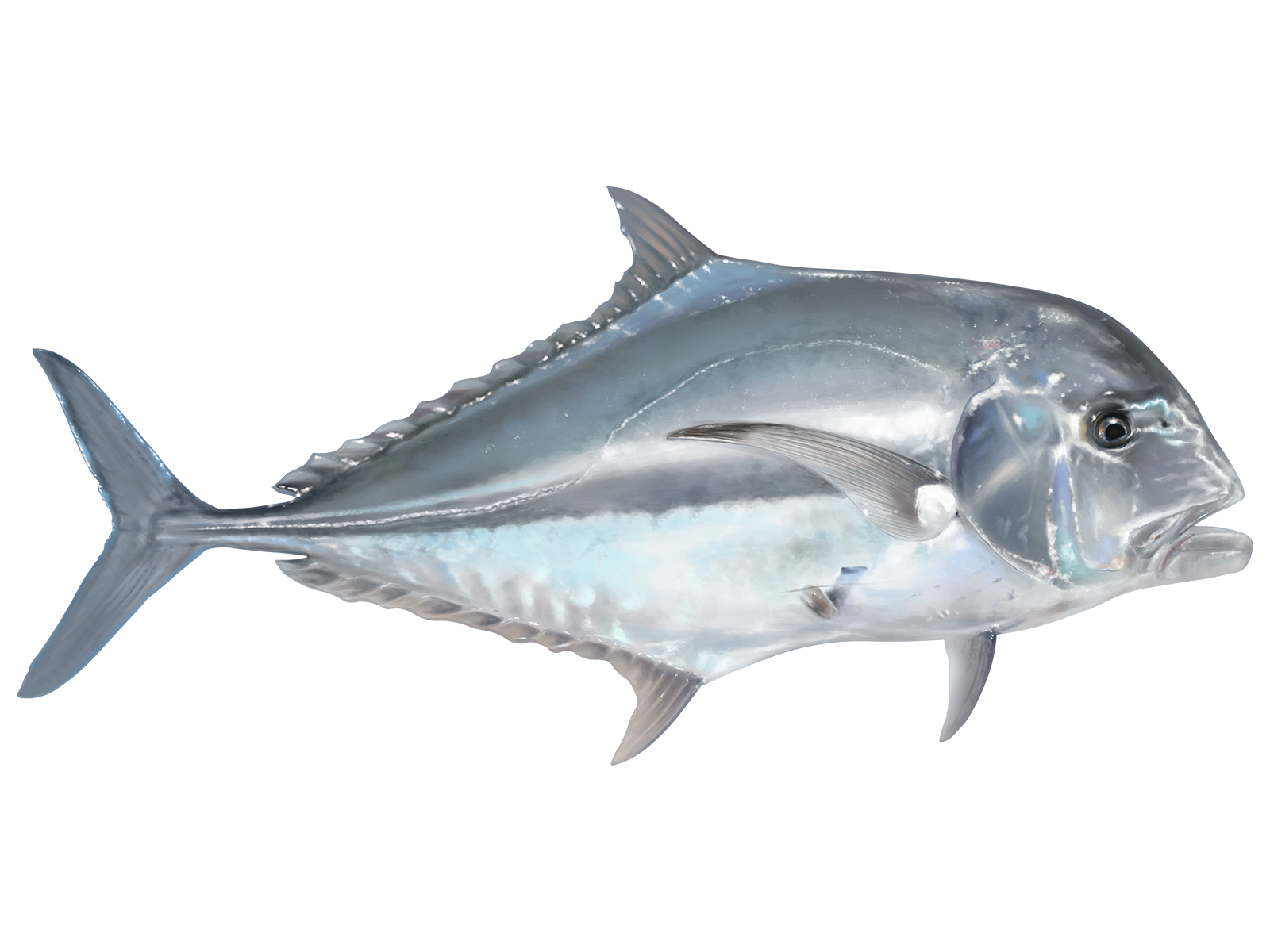 African Pompano
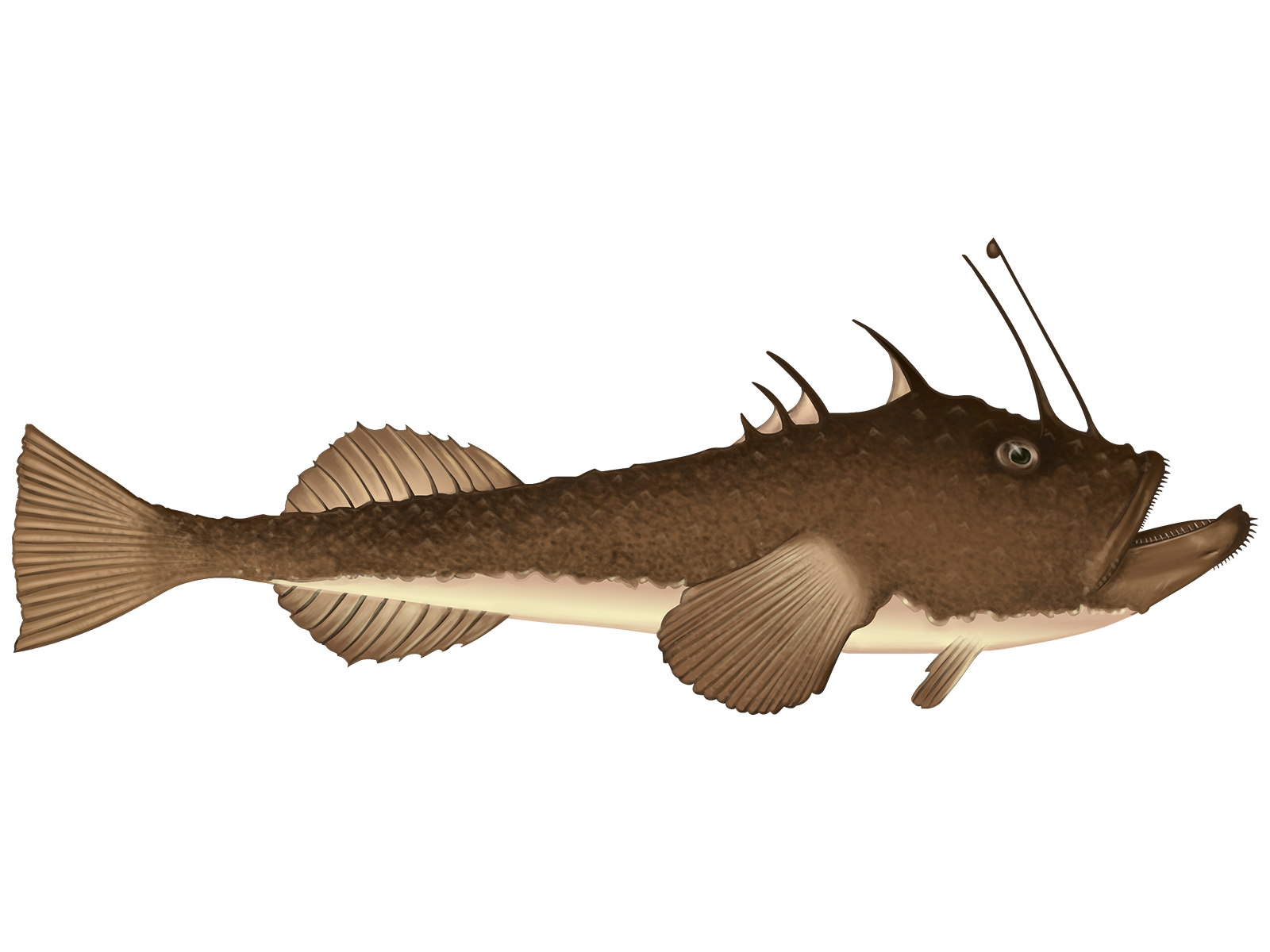 American Angler
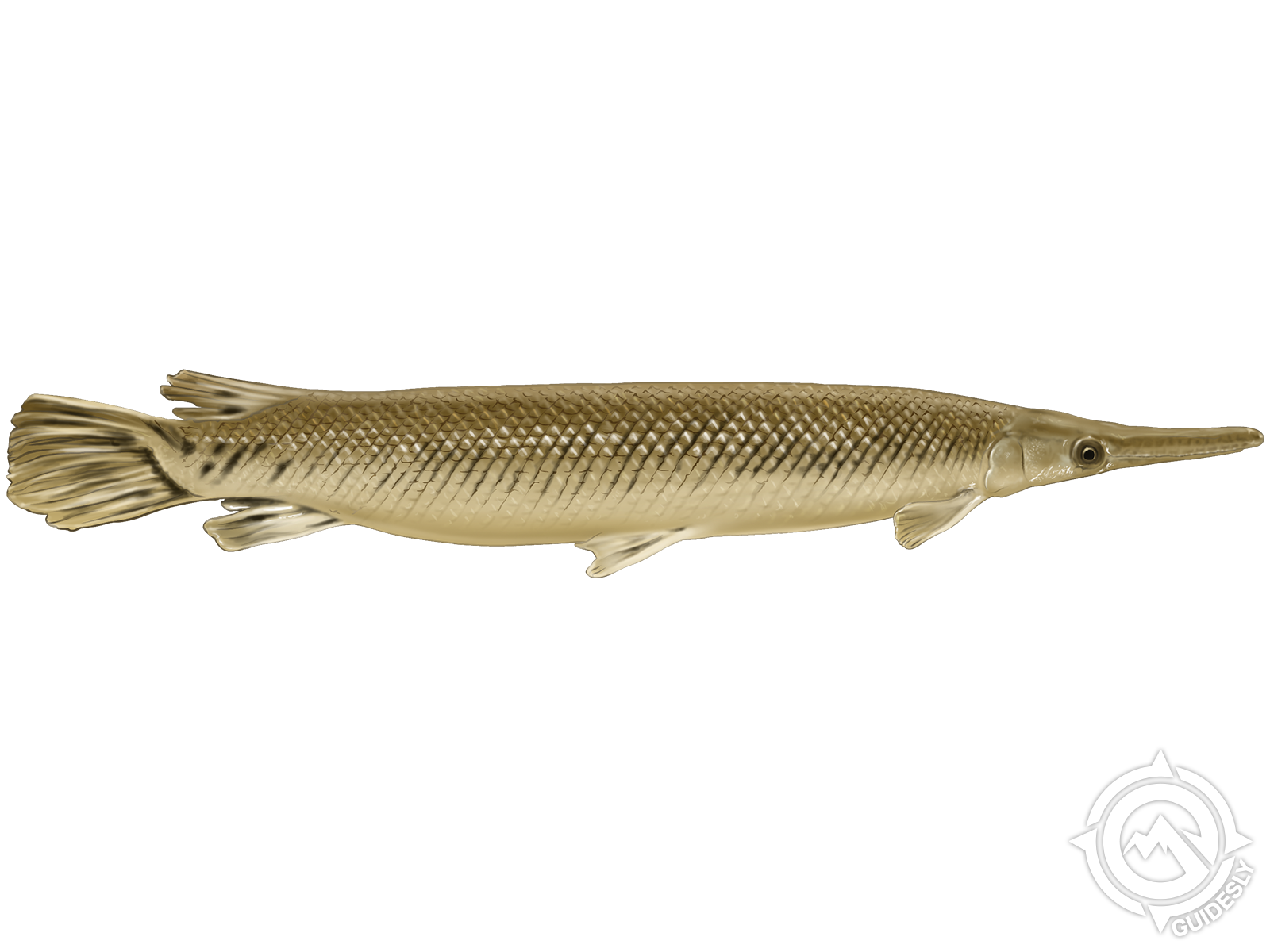 Alligator Gar
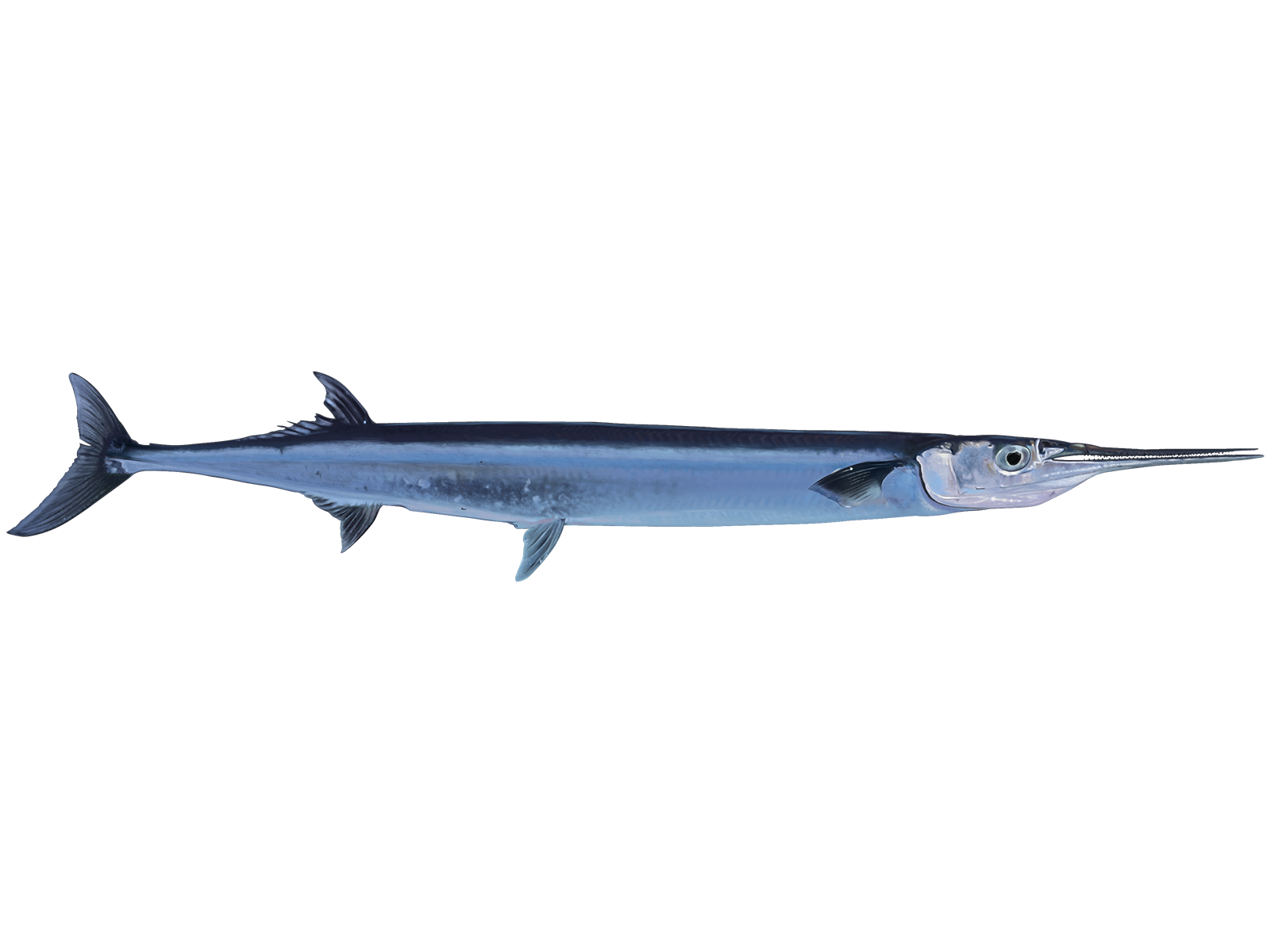 Agujon Needlefish
- Summary generation failed.
Trip Pricing and Availabilities :
Salt River Fly Fishing Near Phoenix
Picture this: you're casting dry flies on crystal-clear water just 30 minutes from Sky Harbor Airport, surrounded by desert mountains and the peaceful sounds of flowing water. That's what you get with MTSix's Salt River fly fishing experience. This hidden gem sits right below the last dam on the Salt River chain, creating a unique fishery that most Phoenix locals don't even know exists. You'll be targeting some seriously cool species - from hard-fighting Sonoran Suckers to massive carp that'll test your drag system. This is single-angler fishing at its finest, giving you personalized attention and the best shot at landing something special.
What to Expect on the Water
The Salt River below the dam is unlike any other fishery in Arizona. The constant water release keeps temperatures cool year-round and maintains that gin-clear visibility that makes sight fishing so addictive. You'll be wading through pools and runs that hold everything from native species to stocked rainbows, depending on the season. The scenery alone is worth the trip - towering saguaro cacti line the banks while red rock formations create a backdrop you won't find anywhere else. Since this is a one-on-one experience, your guide can adapt the approach based on what's working that day. Maybe you'll start with nymphs in the deeper holes, then switch to streamers when the carp start cruising the shallows. The beauty of this fishery is its diversity - you never know what's going to grab your fly next.
Flies and Techniques
This isn't your typical trout stream, so forget everything you think you know about desert fly fishing. Your guide will have you rigged with everything from size 18 midge patterns to massive carp flies that look more like small animals. The Sonoran Suckers are suckers for well-presented nymphs, especially during their spawning runs when they get aggressive and territorial. For the big carp, you'll be sight fishing with weighted patterns that can get down fast - these fish spook easily but fight like freight trains once hooked. The largemouth bass here respond well to streamers stripped through structure, and when the state stocks rainbows, classic dry fly techniques work perfectly. Your guide knows exactly what's been producing lately and will have you tied on and ready before you even step in the water. The key here is versatility - this river demands different approaches throughout the day.
Target Species Breakdown
Albacore Tuna might seem like an odd target for a desert river, but these powerful fish have adapted to the Salt River's unique conditions in ways that surprise even veteran anglers. They tend to hold in the deeper pools during midday heat, becoming most active during early morning and evening hours. What makes them special here is their incredible stamina - fighting an albacore in river current versus open ocean creates a completely different battle that tests both angler skill and equipment.
African Pompano in the Salt River are absolute bulldogs that'll make your reel sing. These fish love structure and current breaks, often holding just behind submerged rocks where they can ambush prey. Peak activity happens during spring months when water temperatures start climbing, and they're known for their acrobatic jumps that can catch you off guard. The pomps here average larger than coastal populations, likely due to the rich food sources in this tailwater environment.
Agujon Needlefish are the speed demons of the Salt River system. Their elongated bodies slice through current like living arrows, and they're notorious for spectacular aerial displays when hooked. These fish prefer shallow, fast-moving sections where they can use their speed advantage. Summer months see the best needlefish action, especially during early morning when they're actively feeding on small baitfish. Their razor-sharp teeth mean you'll need wire leaders, but the explosive strikes make the extra gear worth it.
American Angler might not win beauty contests, but they're fascinating predators that demonstrate the Salt River's incredible biodiversity. These ambush specialists bury themselves in sandy bottoms near drop-offs, using their modified dorsal fins to lure prey within striking distance. They're most active during overcast conditions and can provide steady action when other species shut down. What makes them exciting is their unpredictability - you never know when that innocent bottom bounce is going to turn into a serious tug-of-war.
Alligator Gar represent the apex predator experience on the Salt River. These prehistoric fish can live over 60 years and reach impressive sizes in this rich tailwater system. They're most active during warmer months and prefer deeper pools with plenty of cover. Landing one is a badge of honor among local anglers, as they combine incredible strength with surprising intelligence. Their bony mouths require perfect hook sets, and their bulldogging fights can last 20 minutes or more. Gar fishing teaches patience and persistence like no other species.
Time to Book Your Spot
The Salt River keeps producing year-round, but the best fishing windows shift with seasons and stocking schedules. Spring brings spawning activity that makes normally finicky fish aggressive, while summer heat concentrates everything in the cooler, deeper sections. Fall offers some of the most consistent action as fish prepare for winter, and those rare Arizona winter days can provide solitude and surprisingly good fishing. This single-angler format means you get the guide's full attention and the flexibility to chase whatever's biting best. Whether you're a seasoned fly angler looking for something different or someone wanting to experience Arizona's hidden fishing gem, this Salt River trip delivers. Book now and discover why this desert oasis has become a customer favorite among those in the know.
Learn more about the species
Albacore Tuna
These bullet-shaped speedsters run 18-25 inches and pack 20-45 pounds of pure muscle. Albacore never stop moving - they need constant motion to breathe, which makes them serious fighters when hooked. You'll find them in deep subtropical waters traveling in massive schools that can stretch for miles. Spring through summer offers the best action when they're actively feeding during daylight hours. What sets albacore apart is their premium white meat - it's the only tuna that can legally be sold as "white meat tuna" with that mild, firm texture everyone loves. When trolling, keep your lures 50-90 feet behind the boat and watch for that first strike - land it quick because if it escapes, the whole school usually follows it out of there.

African Pompano
These silvery members of the jack family are built for speed and put up a serious fight. African pompano typically run in the jack family's fast-swimming style, though they're more bottom-oriented than their cousins. You'll find adults cruising 30-250 feet deep over reefs and structure in warmer waters. The juveniles look completely different - diamond-shaped with long trailing filaments that disappear as they mature. What makes them fun to target is their attraction to shiny, moving objects, so jigs work great alongside live bait. They feed on crustaceans and smaller fish, making them aggressive when they're feeding. The world record hit 50 pounds, so there's real trophy potential. Pro tip: keep your jigs moving and flashy - these fish can't resist something that catches light and moves with purpose.

American Angler
These flat, prehistoric-looking bottom dwellers are true ambush predators that spend their time buried in soft sand and mud waiting for prey. Running around 39 inches and 26 pounds on average, they can reach 55 inches and over 70 pounds. What makes them unique is how they "walk" along the bottom using their pectoral fins like hands, plus those spines on their head that mimic smaller organisms to fool prey. You'll find them in deep water - usually 200+ feet - over soft, sandy bottoms where they can easily hide. They're not picky eaters and will take large live baits like mackerel, herring, or squid. The fight isn't spectacular, but landing one is always a novelty given their odd appearance. Key tip: let your bait hit bottom and drag it slowly across the seabed - they'll grab it and hold on tight, but be careful of those massive jaws when boating them.

Alligator Gar
These prehistoric monsters are the stuff of legends - armor-plated giants that can hit 6 feet and 160 pounds with jaws full of razor teeth. They're primarily found in southern rivers, lakes, and backwaters, though they're not present in Arizona waters. What makes them special is their ancient lineage and unique ability to breathe both water and air, letting them surface to grab prey. Late summer in hot, dry conditions offers the best shots when they concentrate in deep river bends near shallow areas. The fight is absolutely brutal - think of hooking into a log that suddenly comes alive. Most anglers target them for the pure challenge and photo opportunity since they're typically catch-and-release. Use big live baits like carp or gizzard shad on heavy tackle. Pro tip: rig your bait about 6 inches under a large, bright bobber and be patient - when they hit, they mean business.

Agujon Needlefish
These long, slender fish with their distinctive needle-like jaws are found in shallow waters and along the surface where they hunt for small baitfish and zooplankton. Most run around 35 inches, though they can reach 5 feet and 8 pounds. What makes them interesting is their surface feeding behavior - you'll often see them skimming just under the water column near reefs and drop-offs. They're not picky eaters, which can be both good and frustrating since they'll grab just about any bait. The fight is decent, but handle them carefully - that long, sharp jaw can easily pierce skin. Many anglers catch and release due to their green-colored flesh. When targeting them, use sharp hooks since they're known to mouth bait without getting hooked. Give a quick jerk to set the hook, but be patient - they're smart enough to drop bait if they feel too much pressure.
